How to Move with Newborns and Toddlers: A Practical Guide for Families in 2026
Moving ranks among life’s most stressful events, and when you add babies or toddlers to the equation, the complexity multiplies. Between maintaining nap schedules, baby-proofing new spaces, and keeping little ones calm amid the chaos, parents face unique challenges that require thoughtful planning and flexibility.
This guide offers practical strategies for moving with young children from maintaining routines to packing their rooms efficiently. Whether you’re upgrading to a larger home, relocating for work, or starting fresh in a new city, these approaches can help make the transition smoother for everyone.
Why Moving with Young Children Needs Special Planning
Children under five are particularly sensitive to environmental changes. The sound of packing tape, disrupted routines, and unfamiliar surroundings can all trigger stress responses in ways that differ from adults. Babies and toddlers depend heavily on consistency and familiar spaces for emotional security.
Understanding How Young Children Experience Change
Infants and toddlers thrive on predictable routines and recognizable surroundings. Even small changes can feel significant to them. Changes in sleeping environments may affect their ability to settle down or stay asleep. Disrupted meal times can lead to fussiness and resistance.
Young children often lack the vocabulary to express their feelings about moving, so they may show stress through clinginess, tantrums, or sleep regressions. Recognizing these behaviors as responses to change helps parents respond with patience and consistent reassurance rather than frustration.
Safety Considerations for Moving with Babies and Toddlers
Safety should come first when relocating with young children. Here are practical safety measures to consider:
Timing Your Move Strategically
When possible, avoid scheduling moves during major developmental milestones, such as teething, sleep training transitions, or the start of preschool. Consider moving when you have additional help available—during grandparent visits or when your regular childcare can remain consistent.
Choosing Family-Friendly Movers
Some moving companies offer services specifically designed for families with young children. These may include flexible scheduling around nap times, child-safe packing practices, or staged room-by-room moves that minimize disruption. Ask potential movers about their experience with family relocations and what accommodations they can offer.
Safe Packing Materials
Babies and toddlers explore their world by touching and tasting everything. Choose non-toxic packing materials when possible—recyclable cardboard boxes, unscented packing paper, and biodegradable alternatives to traditional bubble wrap reduce exposure to harsh chemicals.
The Essential Family Box
Pack a dedicated box or bag that stays accessible throughout the move, containing:
- Diapers, wipes, and changing supplies
- Bottles, sippy cups, and snacks
- Favorite toys and comfort items
- Medications and first aid supplies
- Changes of clothes for each child
- Important documents (medical records, insurance cards)
Some parents find it helpful to create individual bags for each child, tailored to their specific needs, including portable entertainment such as coloring books or a tablet with downloaded shows.
Baby-Proofing Before Arrival
If you can access your new home before moving day, install basic safety measures such as cabinet locks, outlet covers, and safety gates. If that’s not possible, designate one fully baby-proofed room where your child can play safely while you unpack. Portable play yards or pack-and-plays work well for creating temporary safe zones.
Maintaining Comfort and Routine During the Move
While safety measures protect your child physically, maintaining emotional comfort during the transition is equally important.
Keep Daily Schedules Consistent
Stick to regular nap times, meal schedules, and bedtime routines as much as possible, even during the busiest moving days. Set phone reminders if needed to help you stay on track when things get hectic. Predictable rhythms help children feel secure and reduce the likelihood of meltdowns.
Introduce the New Home Gradually
If you have access to your new place before moving day, visit several times with your child. Let them explore their new room, play in different spaces, and get familiar with the layout. Bring along a favorite toy or blanket during these visits to create positive associations. Taking photos during these visits and displaying them during the move can help create continuity.
Create a Calm Space
Set up a dedicated comfort area with familiar items: their favorite blanket, stuffed animals, books, and toys. During stressful moments, this space provides a place to reset emotionally. Consider adding soft lighting or a white noise machine. Having a comfortable spot where you can sit with them provides reassurance through your presence.
Limit Exposure to Moving Chaos
If possible, keep one room relatively untouched until late in the packing process. This unchanged space signals normalcy amid all the boxes and disruption. Stock it with snacks, quiet activities, and comfort items so your child has a retreat when the activity becomes overwhelming.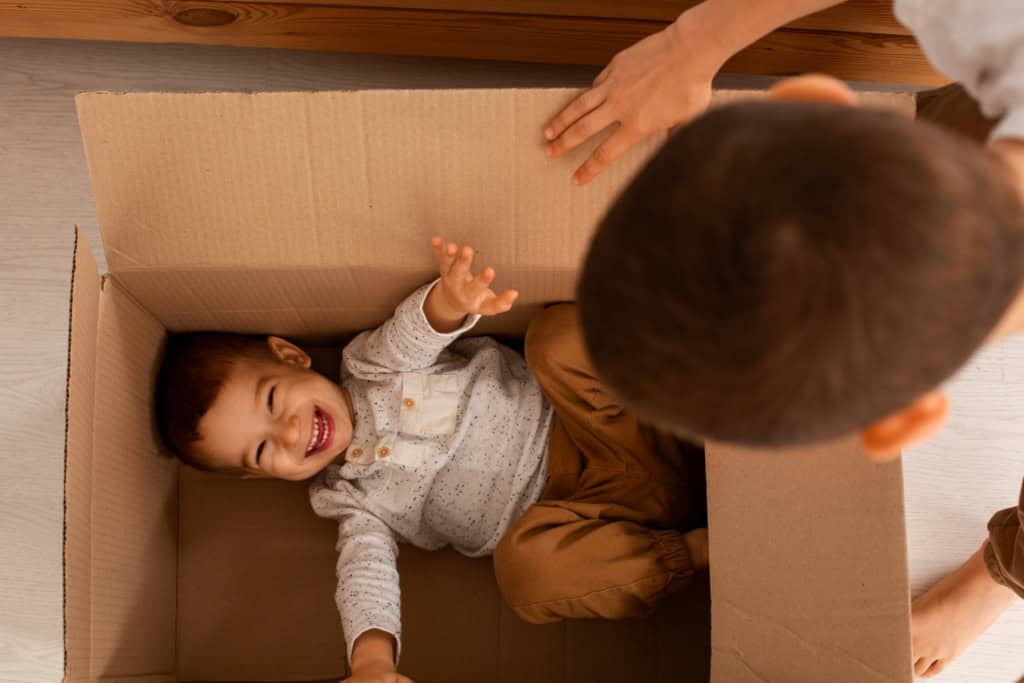
Packing Children's Rooms with Minimal Stress
Packing up the very items that comfort your children presents a particular challenge. Here’s how to approach it thoughtfully:
Declutter Gradually
If your child is old enough, involve them in deciding which toys to keep and which to donate. Don’t remove everything at once; spread decluttering over several days or weeks. Letting toddlers place items in donation boxes gives them some control over the process.
Clear Labeling
Use colorful labels and simple pictures to mark boxes containing children’s items. This makes unpacking easier and helps older toddlers recognize their belongings. It also teaches basic organization skills and lets kids participate more actively.
Strategic Packing Order
Save your child’s room for last when packing, and make it the first room you set up in the new home. Assembling their crib, familiar furniture, and key items immediately helps them recognize their space and feel grounded in the new environment.
Make Packing Playful
Turn packing into a game with songs or pretend adventures. Create a sticker chart for completed tasks to make the process feel rewarding rather than disruptive.
Consider Transparent Storage
Clear plastic bins let your child see their belongings, offering reassurance that favorite items are still with them. This visibility also makes unpacking easier since you can quickly identify contents without opening every box.
Minimizing Overall Disruption
Beyond physical logistics, here’s how to reduce the emotional impact of moving on your family:
Age-Appropriate Communication
Children sense change even if they can’t articulate it. For toddlers, explain that you’re moving to a new house using simple words they understand. Show photos of the new place or read picture books about moving. Role-playing the process with dolls or stuffed animals can help them process what’s happening.
Surround Them with Familiar Faces
Having grandparents, regular babysitters, or close family friends present during the move helps maintain continuity. Your child stays with trusted people while you handle logistics. If possible, arrange for some of these caregivers to be at the new house during initial setup to ease the transition.
Avoid Stacking Multiple Transitions
Try not to introduce other major changes, such as weaning, potty training, or starting new daycare, around moving time. Spacing out transitions helps children handle each change without becoming overwhelmed.
Reestablish Routines Quickly
Once you’re in the new home, return to normal schedules as soon as possible. Prepare familiar meals, use the same bedding, and maintain bedtime rituals. Even small consistencies—the same breakfast cup, a nightly song—help anchor children to predictability.
Common Questions About Moving with Young Children
What should I pack first when moving with babies or toddlers?
Start with non-essential items like adult books, guest linens, and seasonal clothing. Save your child’s room and daily essentials for last so they can maintain their familiar environment as long as possible.
Is it better to move during the day or at night?
Daytime moves generally work better since your child is awake and can nap in the car if needed. Night moves disrupt sleep schedules and can lead to exhaustion for everyone.
Should I hire movers or do it ourselves?
If budget allows, hiring movers, especially those experienced with families, lets you focus on your children rather than heavy lifting and logistics. This can significantly reduce stress for everyone.
How can I help my toddler adjust to the new house?
Let them help set up their room, unpack their belongings together, and explore the neighborhood. Maintain consistent routines while introducing positive new experiences, such as decorating their space or visiting nearby parks.
What are the true essentials on moving day?
Keep easily accessible: plenty of snacks and drinks, diapers and wipes, comfort items (pacifiers, favorite toys), changes of clothes, any medications, and portable feeding or sleeping equipment. Label this box clearly and keep it with you, not on the moving truck.
Final Thoughts
Moving with babies and toddlers requires extra planning, patience, and flexibility. The goal isn’t executing a perfect move; it’s managing the transition so your family’s well-being is at the center of every decision.
By maintaining routines where possible, baby-proofing proactively, and packing strategically, you can significantly reduce stress for both yourself and your children. Remember that some disruption is inevitable, but with thoughtful preparation, you can help your family navigate this change while building resilience that will serve them well in future transitions.
Take the planning process step by step, ask for help when you need it, and give yourself grace when things don’t go perfectly. You’re not just moving belongings from one house to