
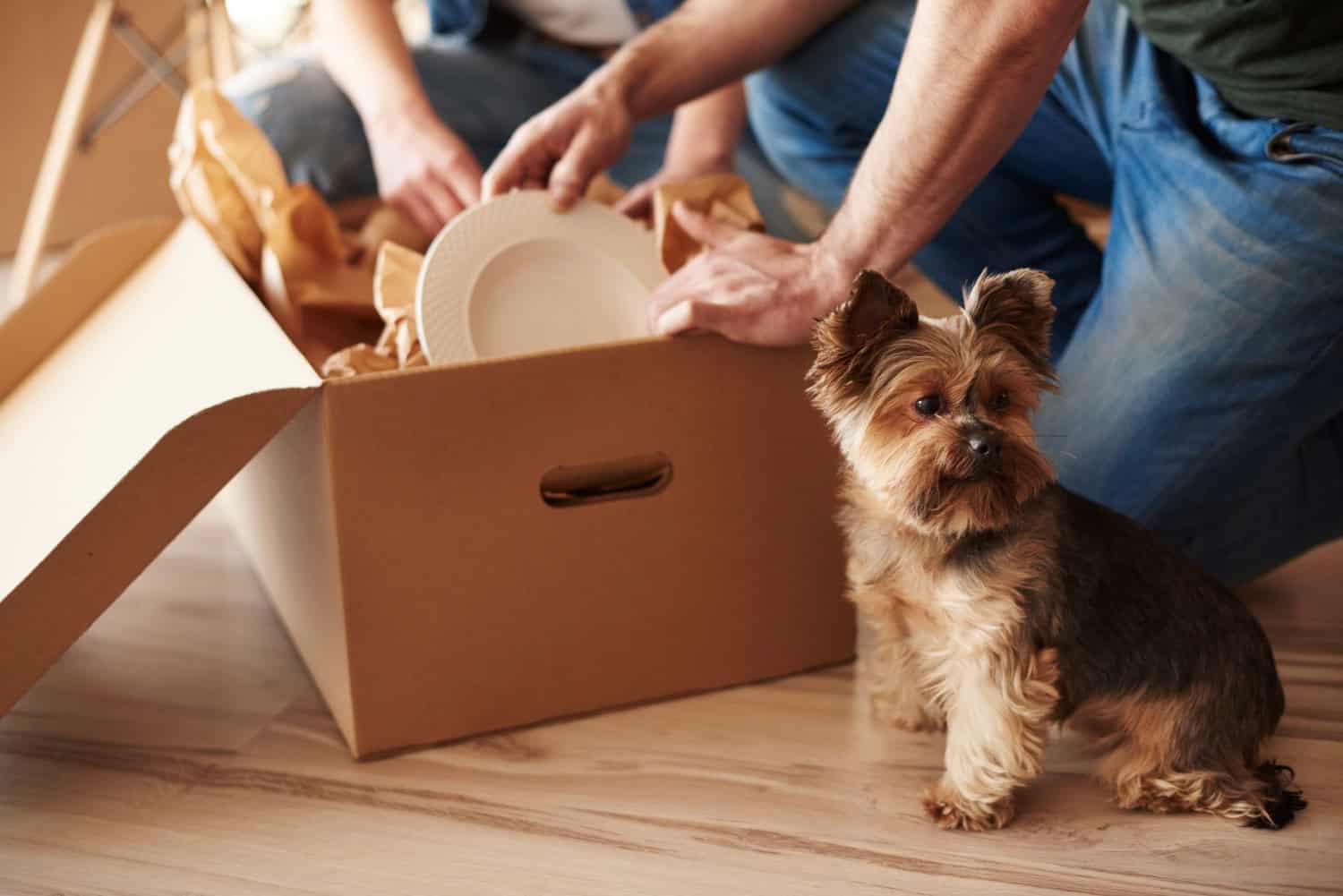
Moving with Pets: A Complete Guide for Pet Owners
Moving to a new home brings enough stress on its own. Add pets to the equation, and you’re managing not just logistics but also the emotional well-being of family members who don’t understand why their world is suddenly changing.
Whether you’re moving across town or across the country, your pets will feel the disruption. The good news? With thoughtful planning and the right strategies, you can help your furry, feathered, or scaled companions transition safely and comfortably to their new home.
This guide covers everything from managing pet anxiety to choosing the best transportation method, ensuring your pets arrive at your new place healthy and ready to settle in.
Start Planning Early
minute. Here’s how to set yourself up for success:
Begin at Least a Month Out
Start preparing your pet for the upcoming change well in advance. Gradually expose them to moving supplies, such as boxes and packing materials. For particularly sensitive pets, introduce changes one room at a time rather than overwhelming them by packing the entire house at once.
Schedule a Veterinary Visit
Book a comprehensive check-up to ensure your pet is healthy enough for travel. Request copies of health records and vaccination certificates you’ll need these, especially for interstate or international moves. Discuss any travel concerns with your vet, especially if you have a brachycephalic breed (such as bulldogs, pugs, or Persian cats) that may need special travel accommodations.
Update Identification
Make sure your pet’s ID tags include your new address and phone number. If your pet isn’t microchipped, consider having this done during your vet visit—it’s the most reliable form of permanent identification. For international moves, verify whether microchipping is required by law at your destination.
Research Destination Requirements
Moving to a different state or country? Check local pet import laws, leash regulations, and breed-specific legislation. Some areas restrict certain breeds or require special permits. International moves may involve quarantine periods lasting weeks or even months, so factor this into your timeline.
Choosing How to Transport Your Pet
How you move your pet matters as much as where you’re moving. You have two main options: transporting them yourself or hiring professional pet transportation services. The right choice depends on distance, your pet’s temperament, and your budget.
Transporting Your Pet by Car
Taking your pet in your own vehicle gives you maximum control over their comfort and allows you to monitor them throughout the journey. This works well for short to moderate distances and pets comfortable with car travel.
Advantages:
- Direct supervision throughout the trip
- Flexibility to stop for breaks when needed
- Your familiar presence helps reduce anxiety
- More cost-effective than professional services
- Easy to adjust plans if issues arise
Challenges:
- Requires significant planning and time
- Can be stressful for pets unaccustomed to long drives
- Not practical for very long distances or international moves
- Some pets experience motion sickness (ask your vet about medication if this is an issue)
Professional Pet Transportation Services
Professional transporters specialize in moving animals safely over long distances. This option works particularly well for cross-country or international relocations, multiple pets, or exotic species requiring specialized care.
Advantages:
- Experienced handlers trained in animal transport
- Specialized equipment and temperature-controlled environments
- Compliance with legal and health requirements
- Door-to-door service available
- GPS tracking for peace of mind
- Reduces the burden on you during complex moves
Challenges:
- Significantly more expensive
- Less control over exact timing
- Limited personal interaction during transport
- May increase anxiety in pets uncomfortable with strangers or crate isolation
- Books up quickly during peak moving seasons reserve early
When deciding, consider the distance you’re traveling, your pet’s health and temperament, your own travel plans, and any special needs your pet might have. A pet with medical conditions requiring constant monitoring might benefit from professional transport with veterinary-trained staff.
Managing Pet Anxiety During the Move
Pets thrive on routine and familiar surroundings. Disrupting these can trigger stress, behavioral changes, and even physical health issues. Here’s how to minimize anxiety:
Behavioral Preparation
Gradual Exposure
In the weeks before moving, let your pet explore boxes, packing materials, and their travel crate. Reward calm behavior with treats and affection to create positive associations.
Maintain Routines
Keep feeding, walking, and play schedules as consistent as possible. Even during hectic packing days, stick to your usual meal and exercise times. This predictability provides emotional stability.
Desensitization to Travel
If your pet isn’t used to car rides, start taking short trips and gradually increase duration. Use the same crate they’ll travel in during the actual move. Reward calm behavior and slowly reduce treat frequency to build independence.
Environmental Management
Create Safe Spaces
Set up a quiet area where your pet can escape the noise and activity of packing and moving. Cats often appreciate vertical spaces, such as tall cat trees, while dogs may prefer a crate or a corner away from foot traffic.
Use Calming Products
Synthetic pheromone products like Feliway (for cats) and Adaptil (for dogs) can help reduce stress. Start using these about a week before moving day for best results.
Keep Comfort Items Accessible
Maintain access to favorite toys, blankets, and treats during the journey. Familiar scents help pets feel secure. Avoid washing their bedding right before the move so it retains your home’s familiar smell.
Moving Day Strategy
The actual moving day can be chaotic. Here’s how to keep your pet safe and calm:
- Secure them in a crate or closed room away from movers and activity. Put a clear sign on the door to prevent accidental openings.
- Label their crate with your contact information, destination address, and any special handling instructions.
- Avoid feeding right before travel to prevent nausea. Offer a light meal 4-6 hours before departure.
- Prepare for accidents with waste bags, portable litter boxes, and cleaning supplies readily available.
- Pack extra supplies, including several days’ worth of food, water, and any medications, in case of travel delays.
Step-by-Step Moving Timeline
Two to Four Weeks Before Moving
- Schedule a veterinary wellness check and get travel advice
- Obtain updated health certificates and necessary travel documents
- Research destination pet regulations and quarantine requirements
- Begin packing non-essential pet supplies
- Book professional transport if using this option
- Start or refresh crate training if needed
One Week Before Moving
- Pack with your pet nearby so they adjust to changes gradually
- Set up the travel crate and encourage daily exploration with familiar bedding inside
- Verify ID tags and microchip information are current
- Confirm all transportation bookings and save emergency contacts
- Gather copies of all veterinary records
One Day Before Moving
- Pack an essentials bag with food, water bowls, litter, treats, leash, medications, toys, and documents
- Confine your pet to a quiet area with their essentials to minimize exposure to packing chaos
- Do a final check of all travel arrangements
Moving Day
- Feed only a light breakfast to reduce travel nausea
- Keep pets secured in their designated safe space
- Check on them regularly, but minimize disruptions
- Use calming music or white noise to reduce environmental stress
- Stick to your schedule to avoid surprises
After Arrival
- Unpack your pet’s belongings first to provide immediate familiarity
- Introduce them slowly to the new home let them explore gradually over hours or days
- Resume normal routines immediately (walks, meals, playtime) to provide emotional anchoring
- Monitor eating, drinking, and bathroom habits significant changes warrant a vet visit
Common Questions About Moving with Pets
What’s the best way to move with cats?
Use a secure, covered carrier and keep them in a quiet room during the move. Allow gradual exploration of the new home, starting with one room. Use their previous bedding to provide familiar scents. Cat-specific pheromone sprays can ease the transition.
Should I sedate my pet for the move?
Only if your veterinarian specifically recommends it. Sedation carries risks and should never be done without professional guidance. Your vet may suggest anti-anxiety medication as a safer alternative. Never use human medications unless explicitly prescribed by your veterinarian.
How do I safely move aquarium fish?
Transport fish in sealed plastic bags, half-filled with water and half with air. Keep travel time short and set up tanks immediately upon arrival. For large aquariums, consider professional aquatic transport services. Use insulated containers to maintain stable temperatures. Don’t feed fish for 24-48 hours before moving to reduce waste in transport bags.
Are there special rules for exotic animals?
Yes. Research federal, state, and local regulations carefully. Reptiles, birds, and other exotic pets often have specific travel and housing requirements, especially for interstate or international moves. Some species require permits from agencies like the U.S. Fish and Wildlife Service. Transport containers must meet specific standards for ventilation, size, and labeling.
How long does it take pets to adjust to a new home?
This varies widely by species and individual temperament. Cats typically need 2-4 weeks to feel comfortable, while dogs may adjust in 1-2 weeks. Some pets adapt within days, while others need months. Maintaining routines and providing familiar items helps speed adjustment.
Your Nashville Chapter Starts Here
Moving with pets requires extra planning, but it doesn’t have to be overwhelming. The key is to start early, understand your options, and prioritize your pet’s emotional and physical well-being throughout the process.
Whether you choose to transport your pet yourself or hire professional services, preparation and empathy make all the difference. Your calm demeanor during the transition provides reassurance to your pet, who picks up on your emotional state.
Plan ahead, stay flexible, and offer consistent comfort. Your pets will thank you through tail wags, purrs, happy chirps, or simply settling contentedly into their new surroundings.